Why Do Some People Get Stretch Marks Easily?
Some people get stretch marks easily because their skin’s elastic support, made of proteins like elastin and collagen, is more prone to tearing when the body grows or changes quickly. …
Now It All Makes Sense

Some people get stretch marks easily because their skin’s elastic support, made of proteins like elastin and collagen, is more prone to tearing when the body grows or changes quickly. …

Some people have very little body hair because their hair follicles stay in a fine, nearly invisible form instead of changing into coarse, dark hair at puberty. That switch is …
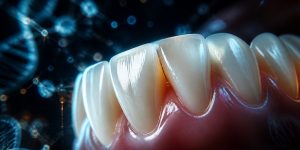
Some people rarely or never get cavities because of a mix of inherited traits and everyday habits. Genes influence enamel strength, saliva, and how your immune system handles mouth bacteria, …

Some people have red hair because they inherit two variant copies of a gene called MC1R, which shifts pigment production toward a red-gold type of melanin. The same gene is …

Some people can touch their tongue to their nose because of a combination of tongue length, tongue flexibility, and facial shape. Doctors call the ability Gorlin’s sign. Roughly 1 in …

Some people are ambidextrous because their brains develop with less of a left-right split in hand control, and genes appear to play a part. A large genetic study found seven …

Some people are left-handed because of differences in early brain development that are partly shaped by genes. Twin studies suggest about 25 percent of handedness is inherited, and a giant …

Some people have extra-long second toes because of the way the bones in the front of their foot develop, and that pattern is inherited. When the second toe extends past …
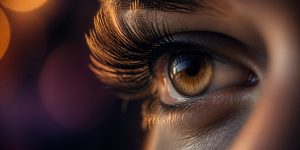
Some people have long, thick eyelashes because their lash follicles stay in the growth phase longer and produce more or sturdier hairs, and those traits are largely inherited. Hundreds of …
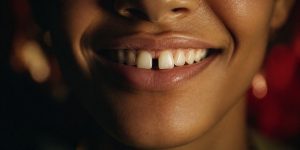
Some people have a gap between their front teeth because their teeth are small relative to their jaw, and both traits are strongly inherited. The gap, called a diastema, can …