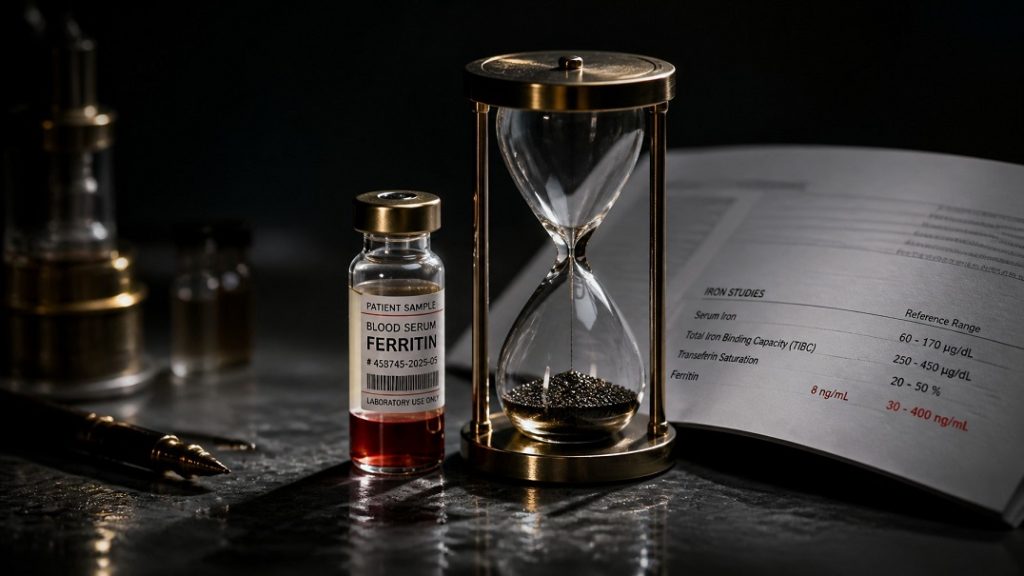
Some people have chronically low iron because they lose iron through bleeding, take in too little, or absorb it poorly. Genes matter here too. Variants in genes such as TMPRSS6 can change how well your body absorbs iron, which helps explain why one person stays low even when eating the same diet as someone whose levels are fine.
What Usually Causes Low Iron?
The big three are blood loss, diet, and absorption. MedlinePlus explains that iron deficiency anemia develops when your body’s iron stores run low, and that common causes of bleeding include heavy, long, or frequent menstrual periods and peptic ulcer disease. Pregnancy raises iron needs, and the same source notes that pregnant and breastfeeding women often cannot get enough iron from their normal diet.
If you have heavy periods or notice blood in your stool, tell your doctor. Fixing a source of blood loss is often the key to fixing the iron problem.
Why Might You Absorb Less Iron?
Even a perfect diet cannot help if iron never makes it into your bloodstream. MedlinePlus lists celiac disease and Crohn disease among the conditions that can interfere with iron absorption. Surgery that removes part of the stomach or intestine can do the same. Vitamin C helps the body absorb iron, so pairing iron-rich foods with a source of it can help.
How Does Your Body Control Iron Absorption?
Your body has no real way to excrete extra iron, so it controls how much comes in. The key regulator is a hormone called hepcidin. Researchers note that systemic iron absorption is controlled by hepcidin, which regulates iron export from cells. When hepcidin is high, less iron gets absorbed.
The same paper points out that factors other than iron status are estimated to account for about 50 percent of the variance in iron absorption, and that studies have found a strong familial tendency in absorption between mothers and children. That could reflect genes, shared habits, or both.
Which Genes Influence Iron Levels?
Several have been identified. A large genome-wide analysis confirmed that variants in the TF, TMPRSS6, and HFE genes are associated with iron status, and it found a new association with the TFR2 gene. The authors suggested that common TMPRSS6 variants could modify the hepcidin and iron feedback loop in otherwise healthy people, making them more susceptible to imbalances.
TMPRSS6 gets the most attention for low iron. A systematic review notes that genome-wide studies have linked common TMPRSS6 variants to anemia and low iron status, and that rare TMPRSS6 mutations cause an iron deficiency anemia that does not respond to iron pills. The review also cautions that not all findings are consistent across studies.
What Does This Mean for You?
Your genes probably nudge your risk rather than determine it. The review of iron genetics points out that low iron was once assumed to come entirely from diet or the environment, but there is now evidence of a genetic contribution. So if you have been told to eat more red meat and spinach and your levels barely budge, genetics, absorption, or hidden blood loss may be part of the story. It is not a personal failing.
Mild iron deficiency may not cause obvious symptoms, according to Harvard Health, which is why testing matters. The main test is a blood test called a complete blood count, and your doctor may add other tests to look for the cause.
Should You Just Take an Iron Supplement?
Check with your doctor first. Iron is not a nutrient to guess about, because too much can also cause problems, and some people carry variants such as those in the HFE gene that affect iron regulation. A blood test tells you whether you are actually low and by how much. If you do need supplements, a doctor can recommend a dose and a plan for rechecking your levels.
Some people need a different approach. Iron taken by mouth may not work for everyone, and people with severe deficiency or absorption problems sometimes receive iron through a vein under medical supervision.
Curious About Your Own Wiring?
A DNA report cannot diagnose iron deficiency, and only blood tests show your levels, but it can help you explore how your genes relate to broader traits, such as nutrient metabolism. SelfDecode turns your DNA data into personalized health recommendations, a handy starting point if you are curious. You might also enjoy our post on why the same diet works great for your friend and does nothing for you.