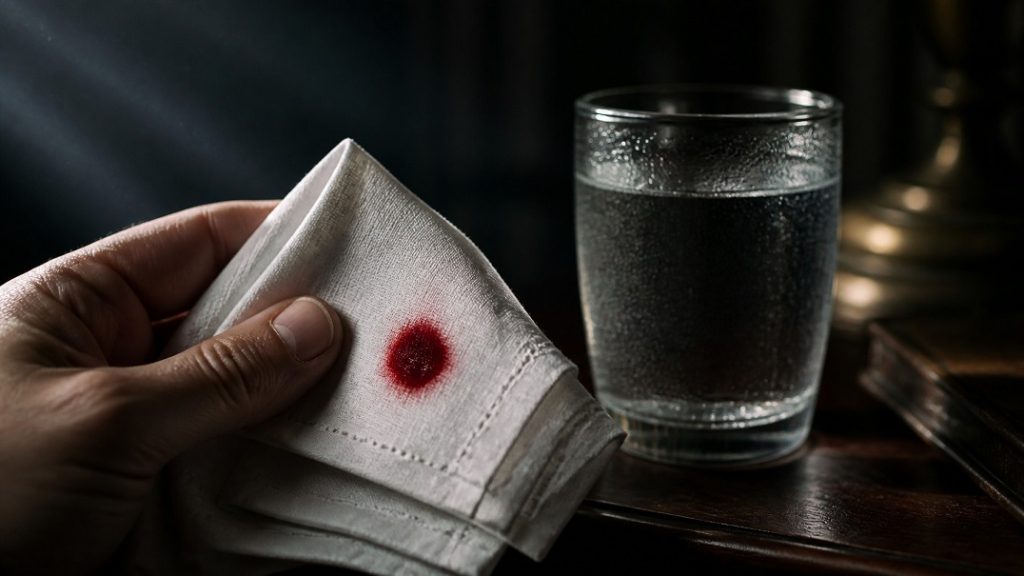
Some people get nosebleeds easily because the lining of the nose is full of tiny, fragile blood vessels, and dry air, irritation, or nose picking can break them. Most of the time the cause is environmental. Occasionally, an inherited condition such as hereditary hemorrhagic telangiectasia makes the vessels unusually prone to bleeding, which is one reason frequent nosebleeds deserve a doctor’s attention.
Why Is the Nose So Prone to Bleeding?
The inside of your nose is a busy place. According to Mayo Clinic, the lining of the nose contains many tiny blood vessels that lie close to the surface and are easily irritated. Warming and moistening every breath you take puts constant demands on that tissue, so even small insults can cause a bleed.
Most nosebleeds start at the front of the nose, on the wall between the nostrils. They look dramatic, but they are usually harmless and short-lived.
What Are the Most Common Triggers?
Mayo Clinic lists dry air and nose picking as the two most common causes. When nasal membranes dry out, they are more likely to crack and bleed, which is why nosebleeds spike in winter when heated indoor air is dry. Other causes include injuries, sinus infections, allergies, colds, a deviated septum, frequent use of nasal sprays, aspirin, and blood thinners.
That list explains why a person with allergies and a habit of blowing hard may bleed more often than a friend with the same climate and a calmer nose.
Can Nosebleeds Run in Families?
Yes, in some cases. Mayo Clinic includes hereditary hemorrhagic telangiectasia among the less common causes, and WebMD notes that in some cases, nosebleeds can be caused by genes passed down in families. The condition, called HHT for short, affects blood vessels and produces repeated nosebleeds that seem to come out of nowhere and get worse over time.
If one or both of your parents have HHT and you are having nosebleeds, WebMD advises asking your doctor about testing.
What Is HHT, and Which Genes Are Behind It?
HHT, also called Osler-Weber-Rendu syndrome, is an inherited vascular disorder. A recent review explains that it is diagnosed when a person carries a pathogenic variant in the ENG, ACVRL1, SMAD4, or GDF2 genes, or meets certain clinical criteria. These genes help blood vessels develop properly, and changes in them can lead to fragile, abnormal vessels in the nose and elsewhere.
The same review puts the global prevalence at roughly 1 in 5,000 to 1 in 8,000 people and notes that over 90 percent of people with HHT have nosebleeds at some point. It also notes that, unlike the common childhood pattern of nosebleeds that fade, HHT nosebleeds often persist into adulthood and may become more frequent or severe.
Are Nosebleeds Also Linked to Bleeding Disorders?
Sometimes. Mayo Clinic also lists bleeding disorders such as hemophilia and immune thrombocytopenia among possible causes, and von Willebrand disease is another inherited bleeding disorder often discussed with frequent nosebleeds. Our post on why some people bruise easily covers related ground, since easy bruising and nosebleeds can share a cause.
If you notice frequent nosebleeds together with heavy periods, easy bruising, bleeding gums, or a family history of bleeding problems, mention it to your doctor.
When Should You See a Doctor?
Mayo Clinic advises talking to your doctor about frequent nosebleeds, even if you can stop them fairly easily, because it is important to find the cause. Frequent means more than once a week. Seek emergency care for bleeding that will not stop with steady pressure, bleeding after a head injury, or heavy bleeding with dizziness or weakness.
How Can You Prevent Them?
Moisture is your best friend. Saline nasal spray, a thin coating of petroleum jelly inside the nostril, and a humidifier can all help, and keeping fingernails short discourages nose picking. If a nosebleed starts, sit upright, lean slightly forward, and pinch the soft part of your nose for several minutes.
Curious About Your Own Wiring?
A DNA report cannot tell you whether your next sniffle will end in a nosebleed, but it can help you explore how your genes relate to broader traits, such as skin and vascular health. SelfDecode turns your DNA data into personalized health recommendations, a handy starting point if you are curious. Keep in mind that a genetic report is not a diagnosis, and a doctor is the right person to evaluate frequent bleeding.