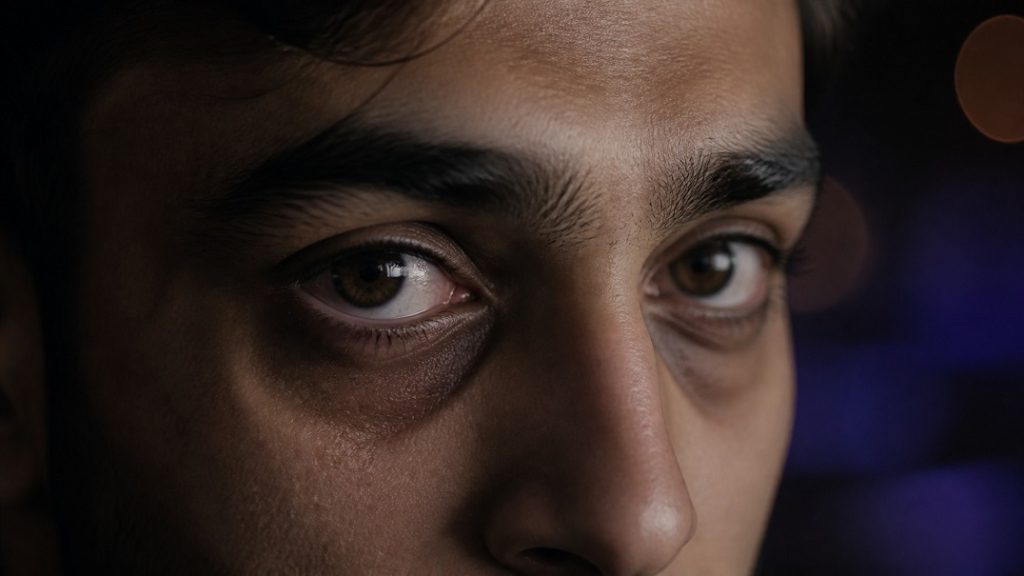
Some people have naturally dark under-eye circles because the trait is mostly inherited. The skin under the eyes is very thin, so blood vessels show through, and some people also carry extra pigment in that area. Lack of sleep can make circles look worse, but heredity is the main driver, which is why they can show up even in well-rested people.
What Are Dark Under-Eye Circles?
Doctors call them periorbital hyperpigmentation. They are a cosmetic concern worldwide, and a review notes they have been attributed to hyperpigmentation from allergy or atopic dermatitis, blood stasis, structural shadowing effects, and a thin epidermis and dermis under the eye. Depending on the cause, circles can look brown, blue, purple, or black.
Are Dark Circles Hereditary?
Yes, often. A clinical study of 495 women in Brazil concluded that although circles are typically associated with lack of sleep, the risk of under-eye dark circles is primarily hereditary. A separate comprehensive review states that periorbital hyperpigmentation is considered to have a genetic basis, listing heredity first among its causes.
If your parents or siblings have shadows under their eyes, yours may be a family trait. That also means no amount of sleep will erase them entirely.
Which Genes Are Responsible?
This is where honesty matters. Researchers have not pinned dark circles to a single gene or a short list of genes. The inherited part likely comes from several traits that run in families: how much pigment your skin makes, how thin the skin is under your eyes, how close your blood vessels sit to the surface, and the shape of your eye socket and cheek, which can create shadows.
Each of those traits is shaped by many genes. So dark circles look more like a combination of inherited skin and facial structure traits than a single inherited disorder.
What Gives the Skin Its Dark Color?
The review of 495 women used imaging to measure what produces the darkness and found that the main factors contributing to the appearance of circles are melanin and deoxygenated blood. Melanin is the brown pigment in skin. Deoxygenated blood has a bluish tint, which shows through thin skin as a blue or purple shadow.
The comprehensive review adds that thin skin over the orbicularis oculi muscle, with blood vessels near the surface, produces a violet appearance and can be accentuated during menstruation. In some people, pigment cells sit deeper in the skin, which can create a brownish tone that is hard to treat from the surface.
What Else Makes Circles Worse?
Several everyday factors can darken the area. Allergies can cause itching and rubbing, and the resulting inflammation can leave pigment behind. Aging plays a role too, because blood vessels and dark tissues beneath the skin become more visible as it thins and sags. Sun exposure, fatigue, and eye strain may also contribute, according to Healthline’s overview.
The same overview notes that iron deficiency anemia may also cause dark circles under your eyes. If your circles appeared suddenly, are accompanied by tiredness or paleness, or are very different on the two sides, mention it to a doctor so they can check for an underlying cause.
What Actually Helps?
Treat the cause you have. For allergy-related circles, managing allergies and avoiding eye rubbing may help. For pigment, sun protection is a good first step because UV light can darken pigment, and dermatologists sometimes recommend topical treatments or procedures for stubborn cases. For blue shadows from thin skin or hollows, makeup, fillers, or lasers may soften the look, although results vary.
Be wary of miracle claims, and see a dermatologist before using strong products near the eyes, since the skin there is delicate.
Do Dark Circles Mean You Are Unhealthy?
Usually not. For most people, circles are a harmless cosmetic trait, much like freckles or eyebrow shape. Plenty of healthy, well-rested people have them, and plenty of exhausted people do not. Seeing a doctor makes sense when circles are new, changing, or come with other symptoms. Otherwise you can treat them as part of your family resemblance.
Curious About Your Own Wiring?
A DNA report cannot predict whether you will have under-eye shadows, but it can help you explore how your genes relate to broader traits, such as skin pigmentation and sleep. SelfDecode turns your DNA data into personalized health recommendations, a handy starting point if you are curious. You might also enjoy our post on why some people have hundreds of freckles.